Vintage Boho Mystic Eyes Repeat Patterns
Decoding the Elements: What Makes These Patterns Unique
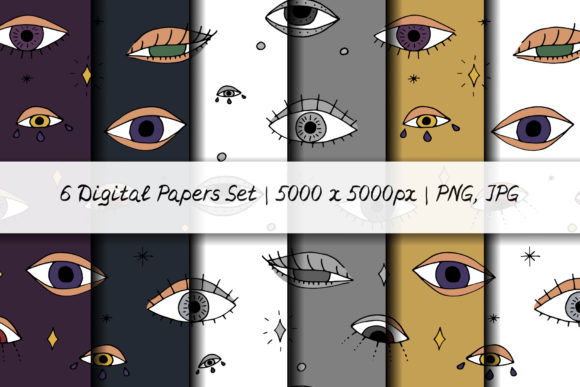
At its core, a Vintage Boho Mystic Eyes Repeat Pattern is a seamless blend of symbolic imagery, nostalgic color palettes, and free-spirited composition. The "vintage" element brings in faded, earthy tones—think ochre, rust, dusty rose, and muted teal—reminiscent of worn-in textiles from the 1960s and 70s. The "boho" side contributes an organic, layered feel, often mixing intricate geometrics with flowing, natural lines. The "mystic eye" is the anchor motif, drawing from cultural symbols like the Evil Eye (a talisman of protection) and the Third Eye (representing intuition and spiritual insight). The repeat pattern itself structures these elements into a rhythm suitable for fabric, wallpaper, or digital backgrounds.
What makes this specific combination so compelling is its duality. It feels both ancient and contemporary. A single stylized eye can be deeply personal, even confrontational, but when woven into a soft, repeating pattern, it becomes an inviting aesthetic. How you understand and use this pattern will vary greatly depending on whether you are creating it, selling it, or using it to decorate your world.
For Designers and Creative Entrepreneurs: Technical Excellence and Commercial Viability
If you are a surface pattern designer, illustrator, or a small business owner creating products, your relationship with this pattern is tactical. Your priority is quality and flexibility. A true seamless repeat is non-negotiable. You need to know whether the file is a half-drop or full-drop repeat, how seamlessly it tiles, and whether the colorways are easy to adjust.
Commercial value here is high. These patterns perform exceptionally well in apparel (maxi dresses, kimonos, flowy blouses), home decor (tapestries, duvet covers, accent pillows), and paper goods (wrapping paper, notebooks). The "mystic eye" trend has shown strong longevity because it taps into a broader cultural interest in mindfulness, symbolism, and protective imagery.
For the professional creator, cost is an investment. A well-constructed vector file that scales infinitely without losing resolution is worth more than a rasterized image. When licensing a design to a fabric manufacturer, the reliability of the repeat and the clarity of the motif at different scales are critical. Ask yourself: Does the eye motif hold its power when reduced to a micro-print? Does the overall composition feel balanced, or does the repeating element become dizzying?
Practical Example for the Maker
Imagine you are sourcing patterns for a new yoga apparel line. You need a design that resonates with your target audience's spiritual interests. A Vintage Boho Mystic Eyes Repeat Pattern in deep indigo and terracotta could be perfect. Your evaluation should focus on how the pattern behaves around seams and armholes. You will prioritize files that come with multiple colorways and a clear commercial use license, ensuring you can scale your production without legal headaches.
For Marketers, Bloggers, and Brand Storytellers: Creating Visual Cohesion
Your use case is about presentation and emotional engagement. You might not be manufacturing products, but you need to build a visual world around your brand. A mystical, vintage pattern can transform a standard website layout or a social media grid into an immersive experience.
For a wellness blogger, using this pattern as a subtle background for quotes or as a header graphic instantly communicates a vibe that words alone cannot. It signals creativity, introspection, and a touch of the unconventional. The priority here is aesthetic consistency. Does the pattern align with your core message? A bright, high-contrast version might feel too jarring for a meditation blog, while a faded, textured version adds depth and maturity.
Speed and ease of use matter greatly for marketers. You often need assets immediately. Pre-made digital downloads that come in Photoshop or Canva templates allow for quick adaptation. You can overlay text, adjust opacity, and create engaging stories or Pinterest pins in minutes. The flexibility to use the pattern horizontally, as a tile, or as a focal point is your primary requirement.
For Hobbyists, DIY Enthusiasts, and Consumers: Accessibility and Personal Expression
If you are a hobbyist who loves to sew, decorate, or craft, your approach is deeply personal. You are likely not worried about licensing complex files, but rather about cost and ease of use. Can you download the pattern and print it on your home printer? Does it come in a format your local print shop can handle for fabric?
Your budget is a key factor. High-quality digital patterns are extremely cost-effective compared to hiring a custom designer. You get access to professional-level design for a few dollars. This opens up a world of creative projects: customized throw pillows that match a boho living room, a unique tote bag, or even a framed art print for your wall.
Long-term usefulness for the consumer comes down to versatility. A pattern that works on both a dark and a light background is a huge advantage. You want a design that can adapt to different projects as your tastes evolve. The creative value is in the inspiration it provides. One vintage pattern can spark an entire room redesign or a year's worth of handmade gifts.
Practical Example for the DIYer
You find a stunning Vintage Boho Mystic Eyes Repeat Pattern online. You want to make custom curtains for your reading nook. Your first step is to check the file resolution. A 12x12 inch file at 300 DPI is ideal for printing. You can upload it to a print-on-demand fabric service, order a yard, and sew your curtains. The cost is a fraction of designer fabric, and the result is entirely unique to your home.
For Educators, Curators, and the Culturally Curious: Depth and Meaning
This pattern style is also a rich tool for learning and teaching. Educators can use it to discuss symbolism in design, the cultural history of the Evil Eye (found in Mediterranean, South Asian, and Latin American traditions), and the principles of pattern theory. The vintage aspect opens conversations about color trends through the decades and the resurgence of art nouveau and 70s aesthetics in modern design.
The learning value here is substantial. Students of graphic design can analyze the composition: How does the eye motif lead the viewer's gaze across the pattern? How is negative space used to maintain readability? For an art history enthusiast, the pattern is a nexus of cultural exchange and artistic adaptation. It invites a critical look at how ancient symbols are commercialized and what that means for their original meaning.
Your priority is depth of content. You want to know the story behind the design. A reputable pattern designer should provide context or source material. This aligns with Google's E-E-A-T framework—demonstrating expertise about not just the technical file, but the cultural and aesthetic origins of the work.
Choosing the Right Pattern for Your Goals and Skill Level
With so many potential uses, how do you know if a Vintage Boho Mystic Eyes Repeat Pattern is right for you? Start by asking what you need it to do.
- Are you a beginner looking for a quick win? Look for patterns labeled "easy to use," "digital download," and "high resolution." Avoid overly complex files that require advanced software to edit. Your focus should be on instant creative satisfaction.
- Are you an experienced designer building a product line? Prioritize vector files (.ai, .eps, .svg) that offer complete scalability and editability. Evaluate the commercial license carefully. Does it cover the number of units you plan to produce?
- Are you a business owner building a brand? Choose patterns with versatile color palettes that match your existing branding. A pattern that works as a subtle background and a bold accent is worth its weight in gold. Consistency across your packaging, website, and social media is key.
- Are you a hobbyist exploring new decor? Let your personal taste lead. Do the colors resonate with your home? Does the motif spark joy? Focus on the immediate emotional connection. The technical considerations are secondary to how it makes you feel.
Practical Takeaways and Long-Term Value
The longevity of these patterns lies in their adaptability. Unlike hyper-trendy designs that fade in a season, the mystic eye symbol has deep roots. It satisfies a human need for protection, self-reflection, and artistic expression. Whether you are using it to brand a product, teach a lesson, or decorate your sanctuary, you are engaging with a motif that has resonated for centuries.
To maximize your investment, look for patterns that offer a cohesive collection. A bundle that includes coordinating stripes, geometric backgrounds, and individual motifs gives you maximum flexibility. This is especially valuable for creators and small business owners who need a unified look across multiple touchpoints. For the consumer, a collection allows you to mix and match in your home, creating a layered, intentionally curated space.
Ultimately, the quality of a pattern comes down to its craftsmanship. A thoughtfully constructed repeat pattern respects both the history of its symbols and the practical needs of its user. It is a tool for communication as much as a piece of art. By understanding what you need—be it technical ease, commercial safety, creative inspiration, or cultural depth—you can choose a pattern that truly serves your purpose. The best Vintage Boho Mystic Eyes Repeat Patterns are not just decorative; they are meaningful, functional, and built to last.