Seamless Patterns with Life Buoy: Designing, Using, and Mastering Nautical-Repeat Textures
If you’ve ever looked at a life buoy and thought, “That would make a fantastic repeating background,” you’re not alone. Seamless patterns with life buoy motifs combine the universal symbolism of safety, rescue, and maritime adventure with the practical appeal of tiled graphics. Whether you’re a graphic designer, a small business owner, or a DIY enthusiast, understanding how to create and apply these patterns opens up a world of creative possibilities. This article walks you through what seamless patterns with life buoy really are, the challenges you might face, and how to use them effectively for real-world projects.
What Are Seamless Patterns with Life Buoy?
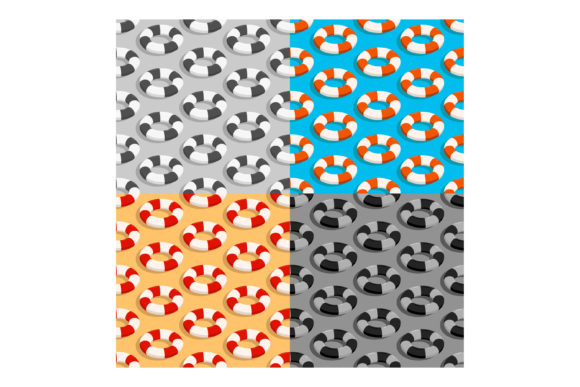
A seamless pattern is a repeating tile that can be tiled infinitely without visible seams, creating a continuous background. When life buoy imagery—typically a ring-shaped float with red and white diagonal stripes and a white rope—is incorporated into such a pattern, you get a visual theme that is instantly recognizable. These patterns can include multiple life buoys, variations in size and rotation, and other nautical elements like anchors, waves, ropes, or compass roses. The result is a cohesive design that works across digital and print media.
Seamless patterns with life buoy are popular for seasonal branding, summer-themed events, maritime products, safety campaigns, and even playful home decor. They evoke feelings of beach vacations, boating adventures, and emergency preparedness—all with a single visual cue.
Common Challenges When Creating or Using These Patterns
Making a seamless pattern with life buoy elements isn’t as simple as dropping a clipart icon into a square and calling it done. Several hurdles can trip up both beginners and experienced creators:
- Repetition visibility: If the life buoy is too large or placed at regular intervals, the pattern looks like a grid of floats rather than a natural, flowing design. Users need to break up repetition with size variation and offsets.
- Seamlessness: The edges of the tile must match perfectly. A life buoy that cuts off awkwardly at the border creates an obvious seam that ruins the illusion.
- Color overload: Life buoys are traditionally bright red and white. Overusing these colors without neutral tones can make the pattern visually exhausting, especially for backgrounds.
- Cliché risk: Without subtlety, a life buoy pattern can feel like a cheap summer clip art set. Balancing the motif with complementary elements keeps the design fresh.
- Resolution and scale: A pattern that looks fine on a web banner might appear pixelated on a printed duvet cover. Planning for multiple scales is essential.
- Trademark or licensing concerns: Some life buoy silhouettes are closely associated with specific brands or safety organizations. Using generic shapes avoids legal issues.
Recognizing these challenges helps you approach seamless patterns with life buoy more strategically, ensuring your final design is both functional and visually appealing.
How Seamless Patterns with Life Buoy Address Real Needs
These patterns aren’t just decorative—they serve specific purposes for different users. Let’s break down how they can help solve common design and communication problems.
For Branding and Marketing
If you run a marina, a water sports company, or a coastal resort, seamless patterns with life buoy instantly communicate your connection to the water. They provide a consistent visual language across your website, social media graphics, flyers, and merchandise. Instead of reinventing the wheel for each asset, you reuse the same pattern file, maintaining brand recognition. The pattern also suggests safety and reliability—exactly the message a water-based business needs.
For Product Designers
Patterns printed on textiles, stationery, or packaging must repeat without visible breaks. A well-constructed seamless pattern with life buoy allows you to create custom wrapping paper, swimsuit fabric, or beach towel designs. Because the life buoy is a bold shape, it works well for items that need a strong visual identity. Designers can experiment with different colorways—swap red for navy blue or coral—to adapt the pattern to different seasons or audiences.
For DIY and Home Projects
Home crafters often want to add a theme to a room or party without hiring a professional. Using a seamless pattern with life buoy in digital wallpaper for a child’s nautical bedroom or as a printable for party decor is an affordable solution. Many online platforms sell or provide free templates, and learning to tile them yourself gives you complete control over scale and layout. Even a simple pattern repeated on a gallery wall or a roll of wrapping paper can transform a space.
For Educational and Safety Materials
Life buoys are symbols of rescue. Seamless patterns with life buoy motifs can be used in educational posters, swim school materials, or water safety handouts. The repetitive imagery reinforces the concept of flotation and safety gear, making it a subtle but effective teaching tool. The pattern also helps make safety information more approachable, especially for children.
Practical Applications and Real-World Examples
Here are several concrete scenarios where seamless patterns with life buoy shine:
- Website background: A beach resort’s booking page uses a subtle, low-opacity life buoy pattern behind call-to-action buttons. The pattern adds maritime flavor without distracting from text.
- Social media templates: A sailing club creates Instagram story backgrounds with a repeating life buoy pattern, overlaying event details. The consistent theme strengthens their visual brand.
- Apparel print: A small clothing brand releases a limited-edition summer dress featuring a life buoy pattern in a pastel color palette. Seamless tiling allows the print to wrap around the garment without awkward cut-offs.
- Packaging: A company selling waterproof phone pouches uses a life buoy pattern on the inside of their boxes. The pattern aligns with the product’s water-safe messaging and creates a memorable unboxing experience.
- Mobile wallpaper: A design blog offers free seamless patterns with life buoy for phone and desktop backgrounds. Users download a high-resolution tile that fits their screen without stretching.
In each case, the pattern serves the user’s goal—whether that’s selling, informing, or decorating—while maintaining visual consistency.
Recommendations for Creating or Choosing Seamless Patterns with Life Buoy
If you decide to make your own pattern, or if you’re buying one from a marketplace, keep these pointers in mind:
Tools and Techniques
Adobe Illustrator’s Pattern Tool or Photoshop’s Pattern Preview make tiling straightforward. For vector patterns, ensure your life buoy art is a single symbol so you can edit it globally. For raster patterns, use a square canvas with dimensions that are multiples of 256 pixels (e.g., 512x512) for web usage. Always test the pattern by duplicating the tile at least four times—check for any hard edges or overlapping inconsistencies.
Scale and Composition
Life buoys should not dominate the pattern. A good rule of thumb: the largest buoy should occupy no more than 30% of the tile width. Vary the sizes by 50–200% to create movement. Add secondary elements like subtle wave lines or small dots that mimic water droplets. This makes the pattern feel organic, not like a stamp collection.
Color Considerations
Stick with 2–4 colors, including the background. If you use the classic red-and-white buoy, pair it with a light blue or sandy beige background. For a more modern look, try monochrome—white buoys on a dark navy field—or replace red with a tropical orange. Remember that contrast matters: the life buoy should remain identifiable, but the overall palette should suit your medium.
File Formats and Licensing
If you’re sharing or selling your pattern, provide a vector .svg or .eps file for print, a high-res .png for digital, and a Photoshop .pat file for easy use. Check the license of any life buoy vector you source from free sites—some require attribution, and others restrict commercial use. Creating your own life buoy shape from simple geometric forms (ellipses, rectangles, and a stroke for rope) bypasses these issues entirely.
How Different Users Approach the Topic
Not everyone comes to seamless patterns with life buoy with the same skill set or end goal. Here’s how three typical user groups might tackle the topic:
- Professional graphic designers often build complex, multi-element patterns with sophisticated color ramps and subtle texture overlays. They use these patterns for branding guidelines and high-volume print runs, focusing on scalability and technical perfection. They might also create multiple variations (e.g., horizontal vs. diagonal tile layouts) to give clients options.
- Small business owners and marketers usually look for ready-made patterns that align with their brand colors. They prioritize ease of use and fast implementation. They may purchase a pattern bundle from a design marketplace, then tweak the color in a photo editor. Their main concern is that the pattern looks good on both a website header and a business card.
- Home crafters and hobbyists are more experimental. They might resize a free pattern to print vinyl stickers for a boat party, or combine multiple life buoy patterns to create a collage. They often work with lower-resolution images, so they need patterns that look good at 150–200 DPI on a home printer. They value affordability and teachability—tutorials and simple templates go a long way.
Understanding your own approach helps you choose the right resources. If you’re a professional, invest time in mastering pattern anchors and offset techniques. If you’re a hobbyist, start with a pre-made tile and remix it with your own colors and overlays.
Useful Considerations Before You Begin
Before diving into a project with seamless patterns with life buoy, consider these practical details:
- Medium matters: A pattern for a phone case needs a different resolution and tile size than a pattern for a billboard. Plan your tile dimensions based on the final output. For print, aim for 300 DPI; for web, 72 DPI with a tile of at least 500x500 pixels.
- Testing across devices: If you’re using the pattern on a website, preview it on mobile and desktop. A large life buoy motif might dominate a small screen. You may need a separate, smaller-scale tile for responsive designs.
- Accessibility: Bright red-and-white patterns can be hard on the eyes for some viewers. Offer a subdued version or allow users to toggle pattern opacity. Use the pattern as a decorative element, not as a background for crucial text.
- Future updates: Store your pattern as a layered file so you can adjust colors or elements later. Trends change, and a life buoy pattern that feels fresh in summer might need a fall update with warmer tones.
By taking these points into account, you ensure your seamless pattern with life buoy remains functional, beautiful, and respectful of your audience’s needs.
Wrapping Up and Putting Patterns to Work
Seamless patterns with life buoy are far more than a nautical gimmick. They are a versatile design tool that can enhance branding, delight customers, and communicate themes of safety and summer fun. Whether you create them from scratch or adapt existing assets, the key is to focus on repeatability, color balance, and purposeful scale. When you get those elements right, a simple life buoy tile becomes a powerful visual that people remember.
Start small: download a free seamless pattern with life buoy, experiment with different backgrounds, and see how it changes the feel of a mockup. Then move on to customizing the design—swap colors, add elements, or even overlay a pattern on a physical object. The more you work with these patterns, the more you’ll discover their potential. There’s no limit to how a single life buoy, repeated with care, can float through your projects.