Mandala with Twin Batik Patterns: A Creative Fusion
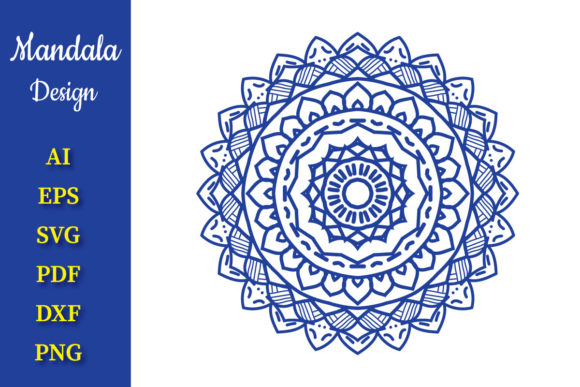
When ancient symmetry meets textile heritage, you get something quietly powerful. Mandala with twin batik patterns is a visual approach that pairs the radial harmony of mandalas with the mirrored repetition of batik motifs—often two complementary or identical designs that face each other or wrap around a shared center. The result feels both rooted and fresh, offering a structural framework that designers, marketers, and hobbyists can adapt across many projects without losing depth or meaning.
Unlike a standard mandala that radiates outward, the twin aspect introduces a deliberate dialogue: one pattern echoes another, creating balance and tension at the same time. Batik’s characteristic crackle, wax-resist lines, and organic motifs (like parang, kawung, or ceplok) gain a new order when arranged in bilateral or rotational symmetry. This combination isn’t just ornamental—it’s a tool for storytelling, branding, and thoughtful composition.
Why twin batik patterns work with mandala geometry
Mandala structures naturally invite repetition, but they often feel static. Adding twin batik patterns introduces asymmetry within symmetry: each half can show a slightly different wax crackle, a variation in color density, or a reversed motif that creates visual conversation. This duality makes the design feel alive, as if the pattern breathes between two states.
For creative professionals, this means you can start with a single batik stamp or digital brush, duplicate it, flip or rotate it, and layer it into a circular composition. The twin effect works especially well in radial symmetry with an even number of sections (e.g., 4, 6, 8, 12). Each sector mirrors its opposite, but batik’s hand-drawn irregularities prevent the design from looking mechanical. The result: a pattern that feels intentional yet organic, polished yet handmade.
From a practical standpoint, this fusion simplifies pattern creation. Instead of designing an entire mandala from scratch, you focus on perfecting one strong batik unit and its twin. Then you let geometry do the rest. This approach saves time and keeps visual consistency across large surfaces—a win for anyone producing textiles, wallpapers, or digital assets.
Creative applications across media and audiences
The versatility of mandala with twin batik patterns extends far beyond fabric. Here are specific ways different users can adapt it for their goals:
Graphic and surface pattern designers
Use twin batik mandalas as seamless repeating tiles for wrapping paper, gift boxes, or phone cases. The radial symmetry makes it easy to create a centered focal point, while the twin elements add directional flow. Experiment with scale: a large mandala with bold twin motifs works for statement cushions; a tiny version with delicate crackle suits stationery. Vector tools like Adobe Illustrator or Affinity Designer let you build a single quadrant, duplicate, and rotate to form the full circle—then export as a pattern swatch.
Brand and identity designers
A twin batik mandala can become a memorable logo or brand mark, especially for businesses rooted in culture, wellness, or craftsmanship. The twin motif suggests partnership, balance, or dual heritage. For a coffee brand, you could use twin batik coffee blossom motifs mirrored around a central bean. For a yoga studio, twin lotus batik stamps create calm symmetry. Keep the crackle subtle and the colors limited to two or three tones so the mark remains legible at small sizes.
Social media content creators and bloggers
Use a mandala with twin batik patterns as a background for quote cards, video thumbnails, or Instagram stories. The repeating structure frames content naturally without distracting. Create a series of posts where the same twin motif appears in different color palettes—warm earth tones for product launches, cool blues for storytelling. The pattern becomes a recognizable visual anchor for your brand.
Educators and cultural workshop facilitators
Introduce the concept in art or design classes to explore symmetry, cultural exchange, and pattern theory. Students can draw one batik motif on paper, cut it out, and trace its twin to create a mirrored mandala. This hands-on exercise teaches geometry and cultural appreciation without requiring digital tools. For online workshops, use free pattern-generation apps that let participants twin and rotate simple batik shapes.
Independent artisans and small business owners
If you hand-stamp or hand-paint batik, twin mandala designs save production time while adding a custom feel. Stamp the same motif twice on opposite sides of a fabric circle, then fill the gaps with dot work or simple lines. This works brilliantly for sarongs, table runners, tote bags, and wall hangings. Because batik is wax-resist, you can also explore layering: stamp the twin design with wax, dye the fabric, then add a second wax layer for a more complex twin motif in different colors.
Adapting twin batik mandalas for different contexts
Not every project needs a full circular mandala. Consider these variations:
- Vertical twin panel: Two identical batik patterns mirrored vertically for a bookend effect on a website header or a presentation slide background.
- Half-mandala with twin edge: Use only half the circle but keep the twin motif repeated along the curve. Good for stickers or labels that sit on curved surfaces.
- Broken twin symmetry: Intentionally offset the twin by a few degrees or rotate it 90 degrees instead of 180. This creates dynamic movement while keeping a cohesive pattern.
- Color-centered twin: Apply a gradient that shifts from a saturated hue at the center to a pale tint at the edge, making the twin batik motifs appear to fade or emerge.
When adapting for digital platforms, reduce the crackle detail to avoid visual noise on small screens. For print, test the pattern at actual size—batik’s fine lines can either become too busy or lose impact depending on the substrate.
Practical recommendations for clarity and consistency
To keep your mandala with twin batik patterns effective and original:
- Start with one strong motif: Design a single batik-inspired element (a flower, a geometric shape, a stylized leaf) and perfect its twin. Avoid overloading the design with many different motifs—simplicity makes the twin relationship clearer.
- Use a limited palette: Two or three colors plus the background. Batik traditionally uses indigo, sogan (brown), and white. For modern looks, try deep teal, mustard, and ivory, or monochrome with a metallic accent.
- Balance crackle density: Batik’s signature crackle lines add texture but shouldn’t overwhelm the twin pattern. Use a lighter crackle effect on smaller motifs and reserve dense crackle for large background areas.
- Maintain consistent orientation: If you mirror the twin, ensure the motifs face inward or outward consistently. Mismatched orientation can confuse the eye and break the mandala’s flow.
- Test in grayscale: Before finalizing, view the design without color. The twin batik patterns should remain distinct and balanced even in monochrome. If they blur together, adjust spacing or contrast.
For digital tools, patterns can be organized into libraries. Create a base “twin batik unit,” then generate multiple mandalas by varying rotation angles and scale. This approach saves time and ensures a cohesive brand or product line.
Keeping the audience in mind
Different users need different levels of guidance. Crafters and hobbyists appreciate step-by-step symmetry tips, while marketing professionals value flexibility for resizing and recoloring. Write instructions that acknowledge both: “Start by sketching your batik motif on paper (or choose a vector icon), then duplicate it and flip horizontally. Arrange both elements in a circle, spacing them evenly. For branding, keep gap widths consistent; for textiles, allow motifs to overlap slightly for a denser pattern.”
Always consider the final output. A mandala with twin batik patterns destined for a printed fabric needs higher resolution and careful color management. The same design used as a watermark or pattern overlay in video can be lower resolution with simplified crackle. Test a small sample before committing to large production runs.
Balancing tradition with personal expression
Batik carries deep cultural significance in Indonesia, Malaysia, and other regions. When working with twin batik patterns, approach the motifs with respect—research traditional meanings, avoid appropriating sacred symbols, and credit inspirations where possible. At the same time, you are creating new interpretations. Fusion is not replacement; it’s dialogue. A modern mandala with twin batik patterns can honor heritage while speaking to contemporary aesthetics.
For example, you might combine a classic parang (oblique repeating motif) with a geometric mandala base, using twin placement to highlight the motif’s original meaning of continuity and resilience. Add your own color story—sunset gradients or minimal monochrome—to make the piece yours.
The richest designs come from understanding the rules before breaking them. Study how batik artisans create crackle through wax and dye, and how mandala builders use circles to contain energy. Then bring those two worlds together with your own intent: to unite, to contrast, or to simply decorate with purpose.
Whether you are a designer sketching in a notebook, a marketer planning a brand refresh, or an educator demonstrating pattern theory, mandala with twin batik patterns offers a practical, beautiful framework. Start small, iterate, and let the twin motifs guide your composition. The results will feel both grounded and expansive—exactly what good design should do.