Geometric Seamless Patterns: Practical Tools for Real Projects
You scroll through your design library, and nothing clicks. The background you need for that social media campaign feels off. The wrapping paper design for your small shop looks incomplete. The presentation deck your client wants to see still feels flat. Then you remember: Geometric Seamless Patterns. They are not just decorative elements reserved for professional designers. They are practical, repeatable solutions that solve everyday visual problems across personal, commercial, and creative projects.
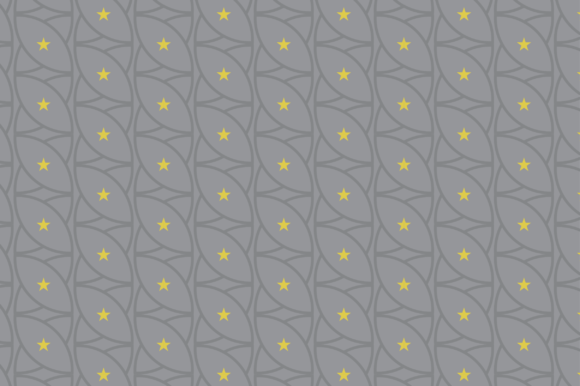
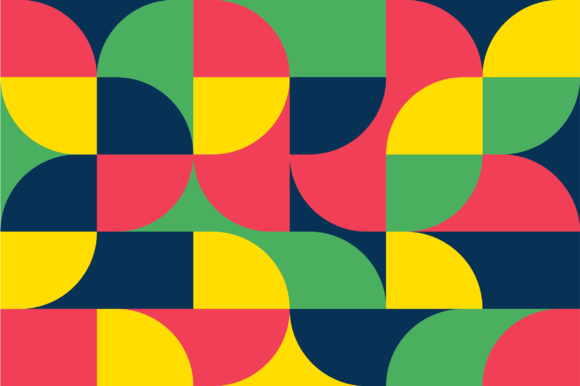
A geometric seamless pattern is exactly what it sounds like. It is a repeating design made from shapes, lines, angles, and symmetry that tiles perfectly without visible breaks or edges. You can stretch it, scale it, and apply it across surfaces without worrying about awkward seams. Unlike random textures or generic stock images, these patterns offer structure, consistency, and a clean aesthetic that fits into almost any context.
Where People Actually Use Geometric Seamless Patterns
The real power of geometric seamless patterns lies in their adaptability. You are not limited to one type of project or one industry. Small business owners use them for branding assets. Educators use them for classroom materials. Freelancers rely on them to build portfolios faster. And marketers use them to maintain visual consistency across campaigns without hiring a full design team every time.
Small Business Branding and Packaging
If you run a small business, you know that packaging matters. A candle shop, for example, can use a geometric seamless pattern on its tissue paper, product labels, and even its website background. The pattern becomes a subtle signature. Customers start recognizing the brand not just by the logo but by the repeated visual language. When you use a hexagon-based or diamond-based pattern, it adds structure to the brand identity without requiring a custom illustration for every item.
Consider a soap maker selling at local markets. Instead of printing separate designs for each product, they apply one cohesive geometric seamless pattern across all their packaging. The result looks intentional and professional. Their booth stands out. Customers perceive higher value. And the business owner saves both time and money by not reinventing the visual for every batch.
Digital Content and Social Media
Content creators and social media managers deal with constant visual fatigue. You post daily. You need fresh backgrounds, highlight covers, story templates, and carousel slides. Geometric seamless patterns work perfectly here because they do not distract from your main message but still add visual interest. A pattern made of subtle triangles or overlapping circles can sit behind your text or product image without competing for attention.
A lifestyle blogger, for instance, might use a soft geometric seamless pattern as the background for their weekly quote posts. That pattern becomes part of their recognizable style. Followers start associating that specific repeated shape with that creator. It builds brand recall through visual repetition, which is exactly what seamless patterns are designed to do.
Educational Materials and Worksheets
Teachers, tutors, and homeschooling parents often need printable resources. Worksheets, flashcards, and activity sheets benefit from geometric seamless patterns in practical ways. A pattern with small repeating squares can serve as a guide for handwriting practice. A grid of triangles can make geometry lessons more visual. Even a subtle dotted pattern on the edge of a page can make the material feel more polished and engaging for students.
Beyond aesthetics, these patterns serve function. A pattern with alternating shapes can help children with visual processing recognize order and repetition. Educators who create their own materials can download geometric seamless patterns and apply them directly to worksheets in minutes. There is no need to learn advanced design software or spend hours drawing grids.
Why Different Users Benefit in Different Ways
Not everyone uses geometric seamless patterns for the same reason. A marketer cares about brand consistency. A hobbyist cares about personal expression. An entrepreneur cares about cost and speed. Understanding your specific situation helps you choose the right pattern for your project.
For Freelancers and Designers
If you are a freelancer, time is money. You need assets that work fast and look good. A library of geometric seamless patterns allows you to create mockups, proposals, and client presentations in less time. Instead of building a background from scratch, you apply an existing pattern and adjust the color palette to match the client's brand. That leaves you more time for the aspects of the project that actually require custom thinking.
You can also use patterns as part of your portfolio itself. A web designer might use a geometric seamless pattern as the hero background on their own website. It communicates a sense of order, precision, and modern design. Potential clients visiting the site immediately see that the designer understands structure and repetition.
For Entrepreneurs and Startups
Early-stage companies rarely have full design teams. You are handling product development, customer service, and marketing simultaneously. In that environment, efficiency matters. A geometric seamless pattern can be applied to pitch decks, landing pages, and social media graphics with minimal effort. It gives your startup a cohesive look without requiring a designer to create original art for every touchpoint.
Consider a startup launching a productivity app. Their interface is clean, but their marketing materials feel disconnected. By choosing a geometric seamless pattern that echoes the app's icon shapes, they create visual harmony across their website, app store screenshots, and email templates. Users perceive the brand as polished and unified, even when the team is small and the budget is tight.
For Hobbyists and Personal Projects
Not every use case is commercial. Hobbyists use geometric seamless patterns for scrapbooking, bullet journaling, custom stationery, and even home decor. A person creating a personal planner can print pages with a subtle geometric background that makes the layout feel custom-designed. A scrapbook page with a consistent repeating pattern ties together photos and memorabilia without cluttering the visual space.
Even digital hobbyists benefit. Someone designing a Discord server, a gaming channel overlay, or a personal blog can apply a geometric seamless pattern to give the space a distinctive personality. The pattern reflects their taste without requiring them to master graphic design.
What to Consider Before Choosing a Pattern
Geometric seamless patterns look simple, but not all patterns work for every situation. A few practical considerations will help you avoid mistakes and get better results.
Scale and Density Matter
A pattern that looks beautiful on your screen might feel overwhelming when applied to a full website background or a large poster. Small, tight patterns read as texture. Large, open patterns read as bold design statements. Before committing to a pattern, test it at the actual size you plan to use. A pattern that looks elegant on a business card might feel chaotic on a banner.
Similarly, the density of shapes affects readability. If you place text over a pattern, choose something with plenty of negative space. Busy patterns with overlapping shapes can make text hard to read, especially on screens or printed materials with small type.
Color and Contrast
Color selection is not just about aesthetics. It affects usability. A high-contrast pattern draws attention and works well for accents, borders, or secondary elements. A low-contrast pattern recedes into the background and works better behind content. Think about the hierarchy of your project. What needs to stand out? If the pattern competes with your main message, adjust the opacity or choose a softer color combination.
For commercial projects, consider brand colors. The best geometric seamless patterns for business use are those that align with existing brand guidelines. If your brand uses muted tones, a bright neon pattern will feel out of place. Many pattern libraries allow you to customize colors, which is a feature worth looking for before downloading.
File Format and Scalability
Not all pattern files are equal. A low-resolution JPEG will blur when scaled up. A vector file, such as SVG or EPS, remains crisp at any size. For printing, vector-based patterns are almost always preferable. For digital use, PNG files with transparency give you more flexibility. Before purchasing or downloading a geometric seamless pattern, check what formats are included and whether they suit your intended output.
Scalability also matters for responsive design. If you use a pattern on a website, it should look good on a phone screen, a tablet, and a desktop monitor. Vector patterns scale naturally. Raster patterns may require multiple versions at different resolutions.
Connecting Features to Real Outcomes
The value of a geometric seamless pattern is not in the pattern itself. It is in what the pattern allows you to do. It allows you to maintain consistency without constantly re-creating assets. It allows you to add depth and interest to plain surfaces without overwhelming them. It allows you to communicate structure and precision without using words.
A pattern that tiles seamlessly does not just look good. It saves you from the headache of mismatched edges and awkward gaps. It gives you confidence that your project will look professional, whether it is printed, displayed, or shared online. It reduces the time you spend on repetitive design decisions so you can focus on the parts of your work that actually need your unique input.
Whether you are a blogger trying to build a recognizable visual style, a teacher looking for better resources, or an entrepreneur bootstrapping a brand on a tight timeline, geometric seamless patterns offer a practical shortcut. They are tools, not just decorations. And when you choose them thoughtfully, they make your work better without making your workflow harder.