Geometric Seamless Patterns: A Practical Guide
Geometric seamless patterns have quietly become one of the most versatile tools for anyone who works with visuals. Whether you design presentations, build websites, create content for social media, or develop branded materials, these repeating geometric motifs can transform a flat layout into something memorable. Understanding what they are and how to use them well can save you time, improve your creative output, and help your work stand out without requiring advanced design skills.
What Makes Geometric Seamless Patterns Different
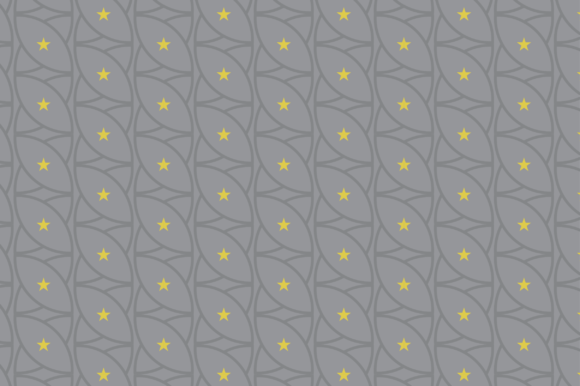
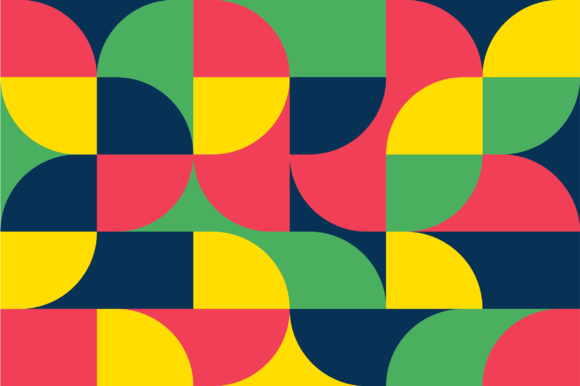
A geometric seamless pattern is a repeating design based on shapes like triangles, hexagons, circles, or chevrons that tiles perfectly without visible seams. The "seamless" part matters more than most people realize. When a pattern repeats cleanly across any surface, it creates a sense of order and professionalism. A poorly tiled pattern, on the other hand, distracts the eye and undermines the message you are trying to convey.
These patterns are rooted in symmetry and mathematics, but their appeal is deeply human. We naturally respond to order and repetition. That is why geometric seamless patterns appear everywhere from ancient mosaics to modern minimalist branding. They offer structure without rigidity, and they can be as bold or as subtle as your project requires.
Save Time Without Sacrificing Quality
Creating original backgrounds from scratch for every project is time-consuming. A well-chosen geometric seamless pattern gives you an instant, professional foundation. Instead of spending an hour tweaking gradients or searching for the right texture, you can drop in a pattern and adjust the scale, color, or opacity to match your needs. This is especially helpful when you are working under tight deadlines or producing multiple assets in a single day.
For example, a freelancer preparing a set of social media templates can use one geometric seamless pattern across several posts. Changing the overlay color or cropping the pattern differently creates variety while maintaining a consistent visual identity. The pattern does the heavy lifting, and you retain control over the final look.
Support Consistent Branding Across Platforms
Brand recognition depends on repetition. A distinctive geometric seamless pattern can become part of your visual signature. Think of a subtle honeycomb motif on a website header, a diagonal stripe pattern on product packaging, or a concentric circle design on presentation slides. When people see that pattern repeatedly, they associate it with your brand.
Small business owners and marketers benefit particularly from this. You do not need a full rebrand or a large design budget. Integrating a cohesive geometric pattern into your email newsletters, social media graphics, and print materials creates a polished, unified appearance. The pattern acts as a visual thread that ties your content together, which helps build trust with your audience over time.
Improve Presentation and Communication Clarity
Presentations and reports often suffer from too much text or overly busy backgrounds. A subtle geometric seamless pattern added to a title slide or a section divider can visually organize your content without overwhelming it. The key is restraint. A light, low-contrast pattern behind a headline adds texture and depth, making the slide feel intentional rather than empty.
Educators and trainers can use geometric patterns to break up dense information. For example, a background pattern on a slide that introduces a new topic signals a shift in content. It functions as a visual cue that helps the audience follow along. Similarly, bloggers can use patterns in featured images or section headers to guide readers through an article.
Who Benefits Most from Geometric Seamless Patterns
While almost any creative professional can find a use for these patterns, certain groups tend to see the greatest impact.
Content Creators and Social Media Managers
If you post daily, you know how hard it is to keep visuals fresh. Geometric seamless patterns allow you to create custom backgrounds for quotes, announcements, or product shots without starting from scratch every time. You can develop a library of patterns that match your aesthetic and mix them throughout the week. This approach saves time and ensures your feed remains cohesive.
Web Designers and Developers
A hero section background, a subtle pattern on a call-to-action button, or a repeating motif in a footer can add personality to a website without increasing load time. Many geometric seamless patterns are vector-based, meaning they scale cleanly on any screen size. For designers who build responsive sites, having patterns that work on mobile and desktop alike is a practical advantage.
Publishers and Print Designers
Print projects require high-resolution files that repeat without visible edges. Geometric seamless patterns are ideal for book covers, brochure backgrounds, wallpaper, fabric, or stationery. They give printed materials a tactile, high-end feel. A pattern on the inside cover of a booklet or as a subtle watermark on letterhead can elevate the perceived quality of the publication.
As a Background Element
The most common use is as a background. But how you apply it matters. For a professional look, choose a pattern that complements your content rather than competes with it. A pattern with low opacity or muted colors works well behind text. A more vibrant pattern can stand alone on a screen or a product image. Always test the pattern with your actual content to ensure readability.
In Overlay or Masked Areas
Rather than covering an entire page with a pattern, try using it within specific shapes or text. For example, you can mask a geometric pattern inside a bold headline or a circle shape on a landing page. This technique adds visual interest while keeping the overall layout clean. It also makes the pattern feel integrated rather than added as an afterthought.
For Data Visualization and Infographics
Geometric seamless patterns can replace solid fills in charts, graphs, or infographics. Instead of using a flat color for a bar or pie segment, a subtle pattern adds texture and helps differentiate sections. This is particularly useful when you are limited to black and white printing or when you want a more distinctive visual style than standard chart colors allow.
Limitations and Considerations
Geometric seamless patterns are not a universal solution. In some cases, they can feel too structured or cold, especially for projects that require a warm, organic, or handcrafted look. If you are designing for a brand centered on natural textures, photography, or illustration, a geometric pattern may clash with the overall tone.
Another consideration is pattern complexity. A dense, high-contrast pattern can overwhelm a layout and make it hard for viewers to focus on the main message. If you notice that the pattern is drawing attention away from your content, scale it down, reduce the contrast, or choose a simpler motif. Testing on different devices and in different contexts helps you find the right balance.
Finally, not all geometric seamless patterns are created equal. Some are poorly constructed and show visible seams when repeated. Always preview the pattern at full size before committing to it. If you are creating your own patterns, take the time to align the edges properly. A flawed pattern undermines the professionalism you are trying to achieve.
How to Choose the Right Geometric Seamless Pattern
Start with the mood you want to convey. Sharp angles and dense repetition feel energetic or technical. Soft curves and sparse spacing feel calm or elegant. Consider your audience and the context. A startup pitch deck might benefit from a bold, dynamic pattern, while a luxury brand brochure might call for a delicate, understated motif.
Color is equally important. A pattern in your brand colors reinforces identity. A neutral pattern in grays, beiges, or whites works well for layered designs where the pattern should not compete for attention. Many pattern libraries allow you to customize colors, so take advantage of that flexibility.
Scale matters too. A pattern that looks great as a full background may feel busy when repeated at a smaller size. Conversely, a tiny pattern can get lost in a large layout. Most design tools let you adjust the scale, so experiment until the pattern feels proportional to your canvas and the other elements on it.
Final Thoughts on Geometric Seamless Patterns
Geometric seamless patterns are more than decoration. Used thoughtfully, they provide structure, reinforce branding, save time, and improve the clarity of your visual communication. They are especially valuable for professionals who need consistent, professional-looking assets without spending excessive time on design. By understanding where patterns fit and where they do not, you can make informed choices that strengthen your work.
Whether you are designing a website, building a social media campaign, or producing a printed publication, a well-chosen geometric seamless pattern can be the difference between a layout that feels finished and one that feels incomplete. Take the time to explore different styles, test them in context, and let the pattern work for you, not against you.