Evil Eye Clipart and Patterns for Creative Projects
You may have seen the iconic blue eye symbol on jewelry, home decor, or digital designs and wondered about its origins and uses. Evil eye clipart and patterns offer a simple way to incorporate this ancient protective symbol into modern creative work. Whether you are designing a logo, creating social media graphics, or crafting a personal project, these visual elements bring cultural depth and visual appeal.
At its core, evil eye clipart refers to pre-made digital illustrations of the nazar or protective eye motif, while patterns extend this imagery into repeating designs suitable for backgrounds, textiles, and branding. Together, they form a versatile library of assets that blend tradition with contemporary aesthetics.
What Makes Evil Eye Clipart and Patterns Appealing
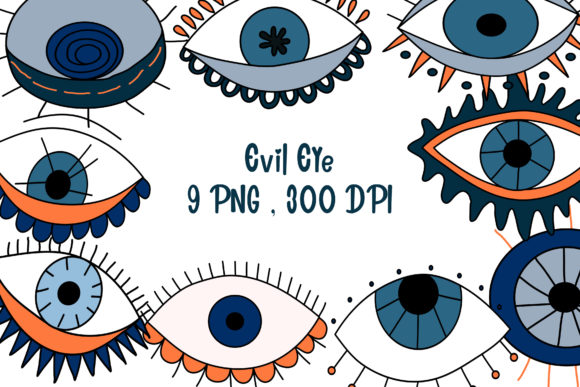
The evil eye symbol carries centuries of meaning across Mediterranean, Middle Eastern, and South Asian cultures. It represents protection against negative energy and ill intentions. For creators, this symbolism adds a layer of storytelling to their work. The visual itself is striking: concentric circles in deep blues, whites, and blacks, often with a teardrop or almond shape that feels both organic and geometric.
Clipart and patterns based on this motif appeal to a wide range of users because they are instantly recognizable yet open to interpretation. A single evil eye icon can feel spiritual, trendy, or minimalist depending on how it is styled. Pattern versions allow for repeated use across surfaces without losing impact. For small business owners, this means product lines that feel cohesive and meaningful.
Another reason for their popularity is flexibility. Evil eye clipart comes in many formats: flat vectors, hand-drawn sketches, outlined line art, or richly textured illustrations. Patterns range from subtle tone-on-tone repeats to bold, colorful all-over prints. This range allows beginners and professionals alike to find assets that match their skill level and project needs.
Practical Benefits for Creators and Businesses
If you are a blogger or social media marketer, evil eye clipart can help create consistent visual branding. A small icon in a corner of an Instagram post or a repeating pattern on a website background adds personality without overwhelming the content. The symbol is popular enough to resonate with audiences but not so common that it feels generic.
For entrepreneurs selling physical or digital products, these assets offer direct commercial value. T-shirt designs, tote bags, phone cases, and stationery featuring evil eye patterns attract customers looking for meaningful, stylish items. Digital product sellers can create printable wall art, planner stickers, or scrapbook kits with minimal effort when starting from quality clipart.
Educators and hobbyists also benefit. Teachers introducing cultural symbols can use evil eye clipart in presentations or worksheets. Hobbyists making greeting cards, journals, or home decor find that patterns elevate simple projects into polished results. The learning curve is low: even someone with no design experience can combine clipart with text or place a pattern on a mockup.
Where Evil Eye Clipart and Patterns Work Best
Understanding where these assets shine helps you choose the right ones for your project. Here are common applications:
- Branding and logos: A single evil eye icon works as a memorable logo for lifestyle brands, yoga studios, or shops selling spiritual goods. Look for simplified vector versions that scale well.
- Textile and product design: Repeated patterns printed on fabric, wrapping paper, or mugs create cohesive product lines. Seamless patterns are especially useful here.
- Digital media: Social media templates, blog headers, email newsletters, and YouTube thumbnals benefit from the symbol’s visual punch. Use transparent PNG clipart for easy layering.
- Printables and stationery: Invitations, thank-you cards, journal covers, and planner pages feel intentional with added evil eye motifs. Pattern backgrounds add texture without distracting from text.
- Home decor: Wall art prints, throw pillow designs, and ceramic tile motifs often use evil eye patterns for a modern bohemian look.
Beginner-Friendly Ways to Start Using Evil Eye Clipart
If you are new to working with clipart and patterns, start simple. Download a few free or low-cost evil eye clipart sets in PNG format with transparent backgrounds. Open a tool like Canva, Cricut Design Space, or even Microsoft Word. Place the clipart on a blank canvas, resize it, and pair it with complementary colors. A white background with a deep blue evil eye and gold accents creates an elegant look with minimal effort.
For patterns, look for seamless files that tile without visible edges. Upload them to print-on-demand platforms such as Redbubble or Printful. Apply the pattern to a product mockup, adjust the scale, and preview the result. Many platforms handle the technical side, so you only need to focus on aesthetic choices.
Experimentation is encouraged. Try rotating clipart, layering multiple eyes, or combining them with geometric shapes. Patterns can be recolored in vector software if you have basic skills, or you can use pattern sets that offer multiple colorways. The goal is to find what feels aligned with your brand or personal style.
Important Considerations Before Choosing Assets
Not all evil eye clipart and patterns are created equal. Quality matters, especially if you plan to use them commercially. Here are factors to keep in mind:
- License terms: Check whether the clipart is free for personal use only or includes commercial rights. Some marketplaces require attribution, while others offer extended licenses for products you intend to sell.
- File format: For scalable designs, prefer vector files (SVG, AI, EPS). For quick projects, PNG with transparency works well. Patterns should ideally come as JPEG or PNG at high resolution and as a seamless repeat.
- Cultural sensitivity: The evil eye is a meaningful symbol in many cultures. Using it respectfully, without caricature or mockery, shows good judgment. Research its origins if you plan to market products based on its symbolism.
- Resolution and size: Low-resolution clipart looks pixelated when enlarged. Verify that the file dimensions match your intended use. For print, 300 DPI is standard. For web, 72 DPI is usually sufficient.
- Style consistency: If you are building a brand, choose clipart and patterns that share a similar aesthetic. Mixing hand-drawn, cartoonish, and photorealistic styles in one project can feel disjointed.
Where to Find Reliable Evil Eye Clipart and Patterns
Many online marketplaces offer these assets. Creative Market, Etsy, Envato Elements, and Freepik are popular sources. Each has different pricing models, from individual purchases to subscription plans. Free options exist on sites like Pixabay and Unsplash, but quality and license clarity vary. For commercial projects, paying for curated clipart saves time and reduces legal risk.
When browsing, use specific search terms like “evil eye seamless pattern,” “nazar clipart vector,” or “protective eye SVG.” Filter by license type and file format to narrow results. Reading reviews and viewing seller profiles helps identify trustworthy creators.
Practical Observations from Real Use Cases
A small business owner selling handmade candles might use an evil eye pattern on labels and a matching clipart icon on social media. The visual consistency helps customers recognize the brand across platforms. A freelance graphic designer could create a set of evil eye greeting cards using vector clipart, then sell the templates online. The same assets can be repurposed for different projects, which is cost-effective.
For personal projects, evil eye clipart works well in bullet journals, vision boards, or custom gifts. A hobbyist making a friendship bracelet pattern might print a small evil eye motif onto fabric or use a stamp from a digital file. The possibilities are broad because the symbol is simple enough to adapt yet distinctive enough to stand out.
One common mistake beginners make is overusing the motif. A single large evil eye or a subtle pattern usually reads better than multiple competing elements. Let the symbol breathe. Pair it with neutral backgrounds and minimal typography for maximum impact.
Balancing Creativity and Practicality
As you explore evil eye clipart and patterns, keep your end goal in mind. Are you designing for yourself, a client, or a product line? Each context demands different considerations. For personal use, have fun experimenting. For client work, ensure the style aligns with their brand voice. For products, test prints to confirm colors and scale translate well.
Remember that trends evolve. The evil eye motif has lasting cultural roots, but its popularity in contemporary design may shift. Building a collection of high-quality, timeless clipart and patterns allows you to adapt without starting from scratch. Focus on assets that feel authentic and versatile rather than chasing fleeting styles.
Whether you are a beginner placing your first clipart on a canvas or a professional developing a product line, evil eye clipart and patterns offer a rich visual language. They combine cultural significance with aesthetic flexibility, making them valuable tools for anyone who creates. With thoughtful selection and respectful use, these elements can elevate your work while connecting with audiences on a deeper level.