Embracing Memphis Simple Patterns: A Practical Guide for Modern Design
The Memphis design movement burst onto the scene in the 1980s, celebrated for its bold geometries, vibrant colors, and playful disregard for traditional aesthetic rules. At its core, the movement introduced what many now call Memphis Simple Patterns – those repeating motifs of squiggles, dots, triangles, and ziggurats that feel both retro and refreshingly modern. Today, designers, homeowners, and brand strategists are rediscovering these patterns not as relics, but as versatile tools that can solve real visual challenges. Whether you are refreshing a living room, building a brand identity, or creating digital content, understanding and applying Memphis Simple Patterns can bring energy, clarity, and personality to your work.
Why Memphis Simple Patterns Matter Now
In a world saturated with minimalist templates and safe color palettes, standing out requires more than a subtle twist. Many professionals face a common challenge: how to inject creativity without crossing into chaos. Clients often want designs that feel alive yet remain professional. Similarly, homeowners crave spaces that reflect their individuality without overwhelming the senses. This is precisely where Memphis Simple Patterns offer a solution. They provide a structured yet expressive vocabulary that can be scaled, recolored, and positioned to suit almost any context.
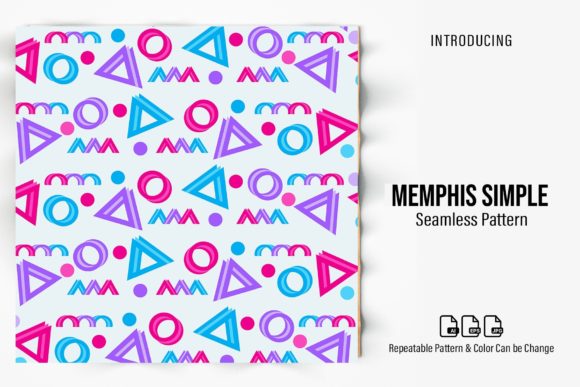
The patterns themselves are deceptively simple. A classic Memphis pattern might consist of repeating black-and-white squiggles, dotted grids, or lone triangles over a bold primary color. Because the motifs are geometric and non-representational, they communicate a mood rather than a literal message. This makes them incredibly adaptable – the same pattern can feel retro in one setting and futuristic in another.
Solving Real Design Challenges with Memphis Simple Patterns
One of the biggest hurdles in design is balancing impact with usability. A pattern that is too intricate can distract; one that is too subdued may go unnoticed. Memphis Simple Patterns strike a middle ground. Their elementary forms are easy to process visually, yet their unusual arrangements and color pairings capture attention. Here are some specific challenges they help address:
- Adding visual interest without clutter: A single wall treated with a Memphis Simple Pattern – such as a repeating squiggle in coral on a white background – instantly energizes a room without needing elaborate furniture.
- Creating a memorable brand: Brands in creative or lifestyle industries often struggle to project uniqueness. A logo or pattern library based on Memphis motifs (think squiggly lines, dotted borders, and asymmetrical shapes) becomes instantly recognizable.
- Connecting with diverse audiences: Because these patterns feel nostalgic for some and futuristic for others, they transcend age groups and cultural boundaries when used thoughtfully.
- Overcoming the “too serious” look: Corporate presentations, websites, or packaging can feel sterile. A well-placed Memphis pattern adds warmth and approachability without sacrificing professionalism.
Practical Applications in Interior Design
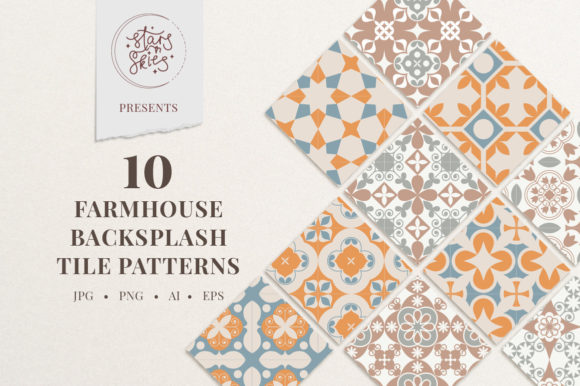
For homeowners and interior designers, implementing Memphis Simple Patterns can be as bold or as subtle as needed. A common approach is to use them on accent surfaces. Consider a kitchen backsplash with a geometric pattern of triangles in navy, mustard, and blush. The pattern becomes a focal point, while the rest of the cabinetry stays neutral. Another popular application is in textiles: throw pillows, rugs, and curtains printed with simple repeating shapes add texture and movement to a room.
Lighting fixtures and decorative objects also carry these patterns well. A lampshade with a dotted Memphis motif can cast playful shadows, while a side table with a painted squiggle edge breaks the monotony of straight lines. For those new to the style, starting with a single piece – like a frame or a small area rug – allows the pattern to be a conversation starter rather than an overwhelming theme.
One example: a home office designed with a neutral desk and shelving, but a feature wall covered in a custom large-scale Memphis Simple Pattern of overlapping circles and wavy lines in blue and yellow. The space remains functional but gains a creative energy that positively affects work morale.
Applications in Branding and Graphic Design
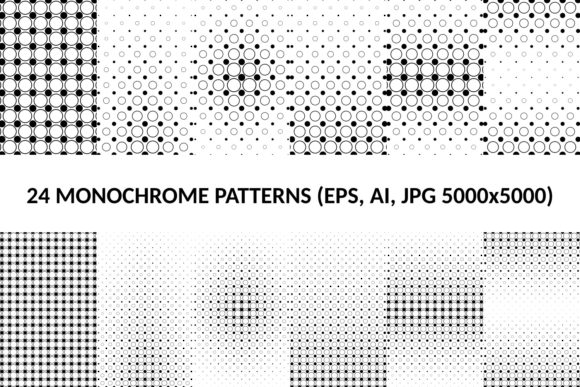
Business owners and graphic designers have embraced Memphis Simple Patterns for their ability to convey innovation and approachability. A tech startup might use a pattern of repetitive computer-like grid dots as a background for their website hero section, paired with bold typography. The pattern communicates digital heritage while the simplicity keeps the message clear.
In packaging, a cosmetic brand could incorporate a squiggle pattern along the edge of a box, contrasting with a matte finish. The pattern hints at playfulness, which appeals to a younger demographic, while the overall design remains clean enough for retail shelves. Social media templates also benefit: a set of Instagram story backgrounds featuring colorful Memphis Simple Patterns can unify a brand’s feed while allowing flexibility for different content types.
When designing a logo, consider integrating a single simplified Memphis shape – such as a bold triangle or a dotted circle – as a symbol. Combined with a sans-serif logotype, the result feels timeless yet distinct. The key is to treat the pattern as an accent, not as the entire message. This ensures the brand remains recognizable even when the pattern is not present.
How Different Users Approach Memphis Simple Patterns
Not everyone will use these patterns the same way, and that flexibility is part of their strength. A minimalist designer might choose a monochrome palette with a single repeating zigzag shape, using it sparingly on a business card or a website button. In contrast, a maximalist could combine multiple patterns – dots, squiggles, and triangles – in a single composition, relying on color harmony and scale variation to keep it cohesive.
Interior designers often tailor the patterns to the room’s function. For a children’s playroom, bright, large-scale patterns encourage creativity; for a boutique hotel lobby, muted pastels with subtle patterns create a sophisticated retro ambiance. Graphic designers working on print materials might use a pattern as a full-page background but reduce its opacity so text remains legible. In digital design, animated versions of Memphis Simple Patterns (for example, a slowly rotating triangle field) can add depth without distracting users.
Even crafters and hobbyists find value: stenciled furniture, hand-painted murals, or even digital scrapbooking pages gain a distinct personality with these motifs. The patterns require no artistic expertise; their beauty lies in repetition and contrast.
Recommendations for Successful Implementation
To get the most from Memphis Simple Patterns, consider these practical tips:
- Start small: Introduce a single pattern in one area – a vase, a poster, or a website header – and see how it feels before expanding.
- Mind the color balance: The classic Memphis palette uses bold primaries, but modern interpretations work well with muted or monochromatic schemes. Let your overall color story guide the pattern colors.
- Scale matters: A pattern that looks playful on a small cushion may overwhelm a large wall. Test at actual size or use mockups to gauge impact.
- Pair with solids: A busy pattern needs surrounding negative space or solid colors. Use white, black, or a neutral from the palette to anchor the design.
- Consider the audience: A pattern that feels nostalgic for a 1980s-themed restaurant might confuse a financial advisory firm. Align the style with your brand’s personality and client expectations.
Outcomes and Long-Term Benefits
When Memphis Simple Patterns are applied thoughtfully, the results are tangible. Spaces feel more dynamic and personal. Brands become more memorable and approachable. Digital content stands out in crowded feeds. Moreover, because these patterns are based on simple geometry, they age better than trend-driven motifs. A geometric triangle pattern from 1984 can still look fresh in 2025 if executed with modern textures and finishes.
Users often report that incorporating these patterns also shifts their design thinking. It encourages bolder choices, teaches the value of contrast, and opens the door to other creative styles. For those who have been working with minimalism for years, Memphis Simple Patterns offer a refreshing way to reintroduce personality without sacrificing structure.
Useful Considerations Before You Start
Before committing to a large project, test the pattern in its intended context. For home decor, use removable wallpaper or a fabric swatch. For branding, create mockups on different media – digital, print, and signage – to see how the pattern behaves. Also, be aware that not all patterns suit all scales; a very small repeat might become muddled when viewed from a distance, while an oversized pattern might lose its rhythm up close.
If you are working with a team or a client, present several variations of the same Memphis Simple Pattern in different colorways and scales. This collaborative step often reveals preferences that lead to a stronger final design. Finally, remember that the goal is enhancement, not domination. The best uses of these patterns feel intentional and integrated, not pasted on.
Memphis Simple Patterns are more than a nostalgic nod – they are a practical, versatile toolkit for anyone looking to elevate their design work. By focusing on shapes that are both bold and accessible, you can solve real-world visual problems, engage your audience, and create memorable experiences. Whether you are redecorating a room, launching a brand, or simply exploring new creative directions, start with a pattern that speaks to you, and let its geometry guide the way.