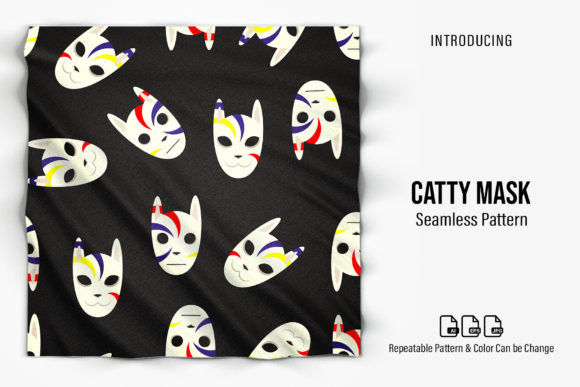
Catty Mask Patterns: Design Flexibility for Cosplay, Crafting, and Creative Wear
When you dive into the world of mask making, few motifs offer as much personality, expressiveness, and sheer variety as catty mask patterns. Whether you are crafting for a cosplay convention, a themed party, a theatrical production, or simply exploring a creative hobby, feline-inspired masks provide a rich playground for design. The appeal goes beyond the obvious charm of whiskers and pointed ears. Catty mask patterns balance recognizable silhouettes with endless room for customization, making them a favorite among beginners and seasoned makers alike.
Understanding what makes these patterns so versatile starts with looking at their structural logic. A well-designed catty mask pattern typically begins with the basic anatomy of a feline face—the almond-shaped eyes, the distinct nose bridge, the cheek structure, and the ear placement. But here is where the magic happens: pattern creators often abstract these elements, offering variations that range from hyper-realistic to cartoonishly playful. You can find patterns that capture the sleek menace of a panther, the wide-eyed curiosity of a kitten, or the stylized elegance of a kabuki-inspired cat. This flexibility means the same base pattern can be adapted for different materials, skill levels, and final uses.
Key Characteristics That Make Catty Mask Patterns Stand Out
Not all mask patterns are created equal. What sets catty mask patterns apart is how they handle the balance between form and function. Several core qualities define the best designs.
Ear Placement and Proportion
Ears are arguably the most defining feature of any cat mask. Good patterns position the ears in a way that feels natural to the feline anatomy while accounting for human head proportions. If the ears sit too low or too high, the mask loses its cat-like essence. Many pattern makers offer ear variations: upright alert ears, folded or relaxed ears, or even asymmetrical placements for characters with personality quirks. When evaluating a pattern, check whether the ear base aligns with the brow line or sits slightly behind it—this small detail makes a big difference in the final look.
Eye Aperture Design
The eye openings in catty mask patterns are another critical element. Unlike human eyes, feline eyes are large and angled. Patterns that simply cut round holes often miss the mark. The best designs taper the eye openings outward, creating that characteristic almond shape. Some patterns also include brows or brow ridges that extend beyond the eye cutout, adding expression without hindering vision. For performers or cosplayers who need good peripheral sight, look for patterns where the eye opening is generous without sacrificing the silhouette.
Snout and Nose Bridge
The nose area can make or break a design. Some catty mask patterns go for a realistic snout with a separate nose piece and defined muzzle. Others keep the nose as a subtle painted detail on a flat surface. The choice depends on your intended use. For a mask meant for heavy movement or stage performance, a simpler nose profile reduces weight and improves breathability. For a static display piece or a high-end cosplay, a sculpted snout adds depth and sophistication. Many modern patterns include interchangeable snout options within the same template.
Material Adaptability
One of the most practical benefits of catty mask patterns is how well they translate across materials. A pattern designed for foam can often be adapted for felt, leather, papercraft, or even 3D printing filaments. The key is in the pattern's seam allowance and joint structure. Patterns that label separate pieces for different materials save you hours of trial and error. For example, a pattern that works for 2mm craft foam might need scaling adjustments if you switch to 6mm EVA foam. Catty mask patterns that include material-specific notes are gold for makers who like to experiment.
How Catty Mask Patterns Fit Into Modern Creative Workflows
Today's mask making landscape is a blend of digital design and hands-on craftsmanship. Catty mask patterns have evolved right along with this shift. You can download printable PDF templates, cut them with a CNC machine or laser cutter, or import SVG files into software like Cricut Design Space or Silhouette Studio. This integration with digital tools has made the pattern more accessible than ever.
For the digital-first maker, vector-based catty mask patterns allow for instant scaling. You can adjust the pattern to fit a child, an adult, or even a large theatrical puppet head without redrawing a single line. Many pattern designers now include layered SVG files that separate the mask base, ear overlays, and detail elements into distinct layers. This modular approach lets you mix and match features—pairing a realistic nose from one pattern with expressive ears from another. The workflow becomes less about starting from scratch and more about curating the best elements from a library of catty mask patterns.
For the traditional crafter, printed patterns remain essential. A well-designed paper pattern with clear fold lines, notch marks, and grain direction indicators makes the construction process smooth. You can pin it to felt, trace it onto craft foam, or use it as a template for fabric. The tactile process of cutting and assembling by hand still appeals to many who find digital design too detached. Catty mask patterns that offer both print-and-cut and digital formats respect both workflows.
Practical Benefits You Should Consider Before Choosing a Pattern
When you are browsing catty mask patterns, either online or in a craft book, several practical factors will influence your choice. These considerations go beyond aesthetics and touch on durability, comfort, and build time.
- Comfort and Fit: A mask is only good if you can wear it. Look for patterns that include multiple size options or sizing guides. Some patterns offer a curved brim or a contoured back that hugs the cheekbones, reducing pressure points. Patterns with adjustable straps or elastic slots are far more wearable than those with a single fixed closure.
- Build Complexity: Catty mask patterns range from single-piece templates to multi-layered constructions with dozens of pieces. If you are new to mask making, start with a pattern that has no more than five or six pieces. More experienced makers might enjoy a pattern with separate eyelids, lashes, and whisker overlays that add realism but require careful alignment.
- Durability for Repeated Use: For performance or frequent wear, choose a pattern designed for thicker materials or reinforced seams. Patterns that include a separate inner lining piece or a double-layer ear design hold up much better over time. Single-layer patterns are fine for one-time events or decorative use.
- Customization Potential: The best catty mask patterns invite modification. Look for patterns that have blank space around the cheeks or forehead where you can add painted patterns, embroidery, or attached accessories like ribbons, beads, or faux fur. A pattern that locks you into a single look is less valuable than one that serves as a foundation for your own ideas.
- Cost and Licensing: Many pattern designers sell digital downloads with a personal use license. If you plan to make masks for sale or for a group event, check the licensing terms. Some pattern creators offer commercial licenses for a small additional fee. This is especially relevant if you are a cosplay professional or a small business owner.
Examples and Scenarios Where Catty Mask Patterns Shine
To see the real strength of catty mask patterns, consider a few common scenarios.
The Cosplayer Going for Accuracy: A cosplayer building a character like Catwoman or a feline warrior needs a mask that matches the source material down to the angle of the ear tip and the curve of the eye cutout. A well-drafted catty mask pattern becomes the foundation. From there, the maker adds pauldrons, armor pieces, and a full costume, but the mask anchors the entire look. The pattern's precision saves hours of adjustment.
The Theatrical Costume Designer: In a production of Cats or a original play with feline characters, the designer needs multiple masks that look cohesive but distinct for each cast member. Using a modular set of catty mask patterns, they can swap ear styles, adjust eye shapes, and vary color schemes while keeping the same underlying structure. This creates a unified visual language on stage without every mask being identical.
The Craft Hobbyist Exploring a New Skill: Someone picking up mask making for the first time might buy an affordable PDF of a simple catty mask pattern. They cut it from craft foam, paint it with acrylics, and add elastic. The project is doable in an afternoon, and the result is immediately rewarding. The pattern teaches them basics like seam alignment and material choice without overwhelming them.
The Digital Maker Experimenting with Scale: A maker who owns a laser cutter or CNC machine can take a catty mask pattern, scale it to 150% for a wall-mounted sculpture, or shrink it to 50% for a doll mask. The pattern becomes a versatile template for different projects beyond just wearables.
Observations on Common Factors Before You Choose a Pattern
Before you commit to a specific set of catty mask patterns, ask yourself what your end goal is. If you need a quick, low-cost mask for a single event, a simple two-piece pattern in felt or paper is perfectly adequate. If you are building a portfolio piece or a high-end costume, invest in a pattern that offers multiple layers, detailed instructions, and material recommendations. The price of a pattern often reflects the amount of testing and refinement that went into it, and that can save you from wasting expensive materials on a flawed design.
Another factor is the community around the pattern. Some pattern designers have active social media groups where makers share their finished masks, offer tips, and post modification ideas. This is incredibly valuable, especially for tricky assembly steps like attaching the ears at the correct angle or lining the mask with fabric. Catty mask patterns that come with a supportive community add a layer of practical help that goes beyond the template itself.
Finally, consider the longevity of the pattern. A timeless catty mask design that you can return to over the years, adapting it for different characters, events, or materials, is worth far more than a trendy pattern that feels dated after one season. Look for patterns that emphasize clean geometry, proportional balance, and modular assembly—these qualities ensure the pattern stays useful no matter how your skills evolve.
Catty mask patterns offer a unique intersection of artistic expression and practical construction. Whether you are drawn to the sleek lines of a panther, the playful essence of a domestic cat, or the abstract shapes of a stylized feline, these patterns give you a reliable starting point. With the right pattern in hand, you can focus your energy on the creative decisions that make each mask your own—the paint colors, the fur textures, the added details that transform a template into a personal statement. And in a world where both digital and hands-on crafting continue to grow, the humble catty mask pattern remains a staple for makers who value flexibility, beauty, and function.