The Art and Utility of Textile Patterns Design Coloring Pages
When you hear the words “coloring pages,” you might think of childhood afternoons spent filling in cartoon characters with crayons. But coloring pages have evolved far beyond simple pastimes. One of the most creative and practical applications of coloring pages appears in the world of textile pattern design. Whether you are a fashion student, a professional textile designer, or someone who simply loves fabric and color, coloring pages dedicated to textile patterns offer a unique gateway to understanding how patterns work, how they repeat, and how they can be customized. In this article, we will explore everything you need to know about textile patterns design coloring pages, from their purpose and significance to how they fit into modern life, creativity, and even business.
What Are Textile Patterns Design Coloring Pages?
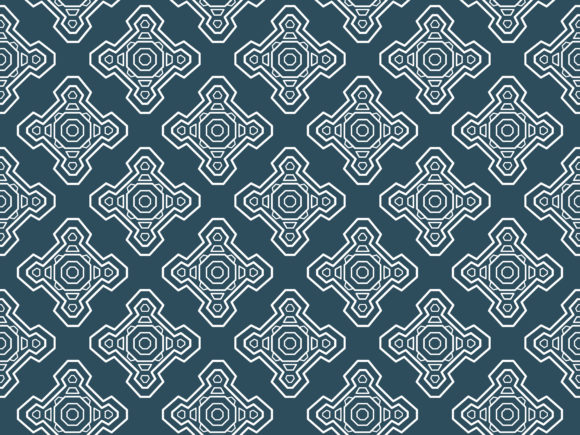
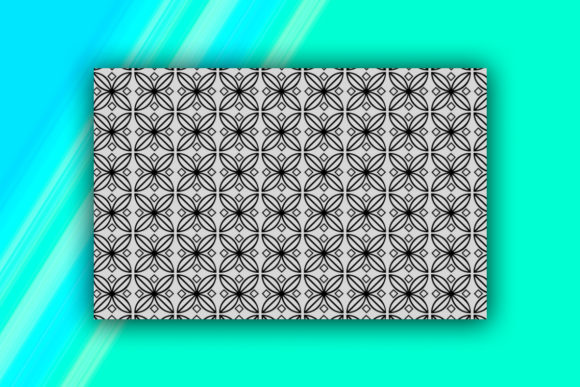
At its simplest, a textile patterns design coloring page is a printable (or digital) sheet that contains an uncolored line drawing of a repeating pattern intended for use on fabric. These pages often feature motifs like flowers, geometric shapes, paisleys, stripes, or abstract designs, arranged in a repeat that can be transferred onto cloth. Unlike a typical kids' coloring page, these are specifically designed with textile applications in mind: the patterns are made to tile seamlessly, the scale is often realistic for fabric, and the motifs reflect common textile traditions from around the world.
Users can then color these pages using pencils, markers, or digital tools to experiment with colorways, contrast, and composition before applying the pattern to actual fabric. Some people use them purely for relaxation, while others treat them as sketchbooks for professional design work. The key distinction is that these pages are not just about filling a shape—they are about designing how color and pattern interact on a repeat.
Why Textile Pattern Coloring Pages Matter
The significance of these coloring pages goes beyond simple amusement. For textile designers, experimenting with color is a time-consuming process. Changing a color on an actual woven or printed fabric sample can be expensive and wasteful. Coloring pages provide a low-stakes, low-cost sandbox for testing color palettes. A designer can print multiple copies of the same pattern and try out dozens of color schemes in minutes.
For beginners or hobbyists, these pages serve as an educational tool. By coloring a repeating pattern, you begin to notice concepts like positive and negative space, rhythm, and how colors shift the mood of a design. Many people who use textile pattern coloring pages report that they develop a deeper appreciation for the geometry and cultural history behind patterns such as batik, ikat, or tartan. In this sense, the coloring page becomes a bridge between art history and personal creativity.
Common Misconceptions
One frequent misunderstanding is that these pages are only for children or only for professionals with formal art training. In reality, textile pattern coloring pages are for anyone who has an interest in fabric or color. Another misconception is that you must be good at drawing to create patterns. These pages come pre-drawn; you only need to color, which makes pattern design accessible to everyone. Additionally, some people assume that using pre-made coloring pages stifles creativity, but the opposite is true: by choosing your own colors and experimenting with variations, you develop an eye for design that transfers directly to original work.
Practical Relevance in Modern Life
Textile pattern coloring pages have found a home in many contemporary contexts:
- Personal relaxation and mindfulness: Known as “adult coloring,” this activity reduces stress. Repeating textile patterns, with their intricate lines and symmetrical repeats, are especially meditative to color.
- Fashion and interior design inspiration: Designers use them to rapidly prototype color schemes for a new collection or a room. A single pattern can be colored in spring pastels, autumn earth tones, or bold neons to see which palette works best.
- Education and workshops: Art teachers and textile instructors use coloring pages to explain principles of pattern repeat (block repeat, half-drop, etc.). Students can color one repeat and then visualize how it tiles across a yard of fabric.
- Digital design integration: Many designers scan colored pages into software like Adobe Photoshop or Procreate to adjust colors digitally, create seamless tiles, and then order fabric samples. The coloring page becomes the starting point for a professional workflow.
- Business and marketing for print-on-demand: Independent fabric sellers on sites like Spoonflower often share free coloring pages of their patterns to engage customers. Followers color them and share their versions, building community and interest in the actual printed fabric.
How Textile Pattern Coloring Pages Fit into Creativity and Technology
The intersection of analog coloring and digital tools is one of the most exciting aspects of this trend. You can print a coloring page and color it by hand, then photograph it and use editing software to remove the paper texture, or you can import the line art directly into a digital coloring app. Some online platforms offer interactive textile pattern coloring pages where you can fill motifs with a click and see the repeat instantly. This hybrid process respects traditional hand-coloring skills while leveraging modern convenience.
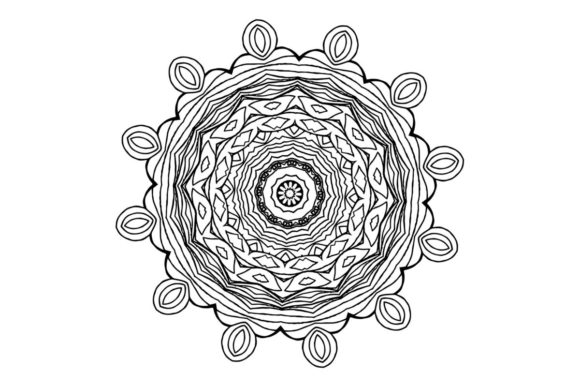
For example, a fashion student might print a mandala-based pattern, color it with markers, then scan the best version and use Photoshop to create a seamless tile that she prints on fabric for a tote bag. The coloring page doubles as a prototype and a finished design asset. This blend of craft and technology is empowering a new generation of makers who value both handmade and digital methods.
Examples of Textile Pattern Themes in Coloring Pages
Not all coloring pages are created equal. Textile-specific pages tend to focus on certain pattern families:
- Floral repeats: Rose gardens, tropical leaves, or delicate wildflowers. Popular for home decor and apparel.
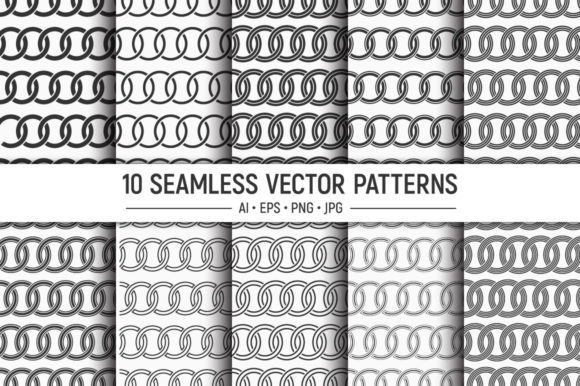
- Geometric patterns: Chevrons, argyle, hexagons, and trellis designs. These teach symmetry and tiling.
- Paisley and boteh: Classic motifs from Persian and Indian textiles. Their intricate curves are a delight to color.
- Ethnic and tribal motifs: African mud cloth patterns, Navajo weaves, or Indonesian batik-like shapes. Coloring them offers cultural insight.
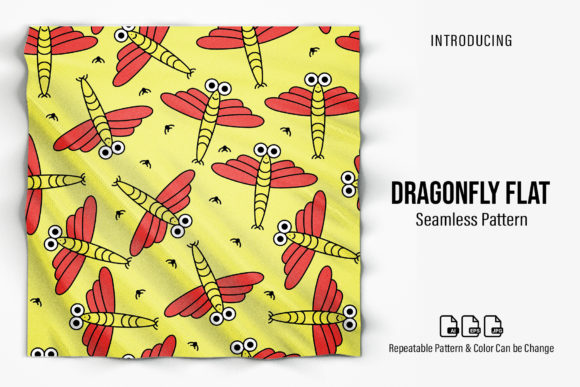
- Children's fabric patterns: Fun whimsical designs like animals, cars, or stars arranged in repeats. Great for parents designing nursery fabrics.
- Abstract and modern art repeats: Splashes, strokes, or organic shapes. These encourage bold color choices.
Each theme provides a different lens through which to understand textile design. A geometric pattern, for instance, makes you think about alignment and grid, while a floral pattern highlights layering and overprinting.
Building a Broader Understanding of Pattern Design Through Coloring
How does coloring a page help you become a better textile designer? It develops several key skills:
- Color theory awareness: As you choose colors, you naturally learn about complementary, analogous, and monochromatic schemes. You start to see how a small change in hue can alter the entire mood of the pattern.
- Attention to repeat: When you color a block repeat pattern, you notice where the edges meet. You become conscious of how motifs connect, which directly informs your own pattern design.
- Scale and proportion: Coloring on a page sized for paper helps you imagine how the same pattern would look as a small print on a shirt versus a large upholstery design.
- Patience and iteration: Trying multiple colorings of the same pattern teaches you that design is a process. The first version is rarely the best; trying new palettes leads to breakthroughs.
- Historical appreciation: When you color a traditional pattern, you connect with its origin. You might research where the motif comes from, enriching your design vocabulary.
These skills are exactly what a beginner needs to move from “I like colors” to “I can design my own textile pattern.” And for experienced designers, coloring pages remain a useful warm-up or a way to break creative block.
How to Get the Most Out of Textile Pattern Coloring Pages
To fully benefit from this resource, consider the following practical tips:
- Print on quality paper: If using markers, select paper that won't bleed. For colored pencils, a slight texture can add depth.
- Experiment with limited palettes: Try using only 2–4 colors per pattern. This mimics real-world textile printing restrictions and teaches restraint.
- Color the repeat only once or twice: To see how the pattern repeats, color two consecutive repeats and line them up side-by-side. This reveals the seam.
- Use digital layers: If you prefer digital coloring, keep the line art on one layer and color on layers below. This makes it easy to swap colors.
- Share your work: Post your colored patterns on social media or design communities. Feedback and inspiration from others can accelerate learning.
- Create your own pattern from a colored page: Once you finish a coloring, try drawing your own version of the motif in a sketchbook, then create a repeat. The coloring page acts as a stepping stone to original design.
Conclusion
Textile patterns design coloring pages are far more than a casual hobby. They are a versatile tool for learning, creating, and relaxing. From the fashion design student exploring color combinations to the home sewer wanting custom fabric, these pages open up a world of pattern possibility. They demystify the process of textile design, making it accessible to anyone with a set of markers and a curiosity about how patterns work. In a world that increasingly values handcraft and digital fluency, coloring pages dedicated to textile patterns sit perfectly at the intersection of tradition and innovation. So the next time you encounter one, pick up your favorite coloring tool and start experimenting. You might just discover the designer within you.