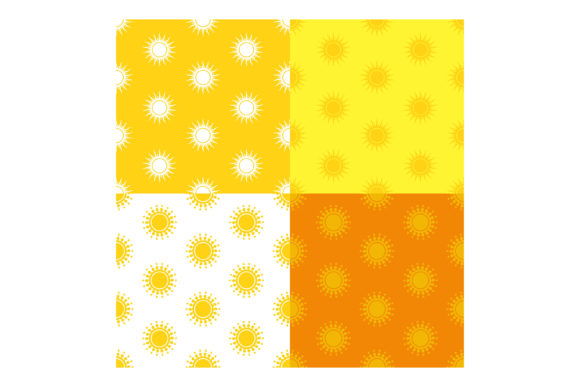
Sunflower Seamless Patterns: Design, Application, and Enduring Appeal
Few motifs evoke warmth, optimism, and natural beauty quite like the sunflower. With its bold petals and towering stem, it has long been a favorite in art, textiles, and graphic design. But in recent years, a specific design format has brought the sunflower into homes, wardrobes, and digital spaces in a whole new way: the sunflower seamless pattern. Whether you are a designer looking to expand your portfolio, a small business owner creating branded merchandise, or simply someone who loves the aesthetic of sunflowers, understanding seamless patterns opens up a world of creative and practical possibilities.
This article explores what sunflower seamless patterns are, why they matter, how they are made, and where they fit into modern life and business. By the end, you will have a clear understanding of their significance and practical value.
What Is a Seamless Pattern?
A seamless pattern is a repeating design that tiles infinitely without visible seams, edges, or interruptions. When placed side by side—whether on fabric, wallpaper, a website background, or product packaging—the elements align perfectly so that the eye cannot detect where one repeat ends and the next begins. This creates a fluid, continuous visual texture.
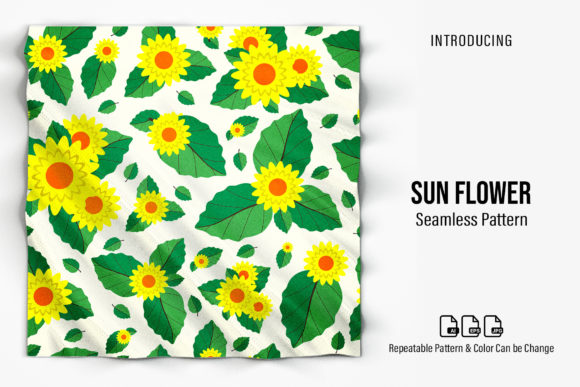
Seamless patterns are foundational in surface design, textile printing, and digital media. They allow a single design to cover large areas efficiently while maintaining visual harmony. A sunflower seamless pattern takes this concept and applies it specifically to sunflower imagery—blossoms, leaves, seeds, or stylized interpretations—repeating in a way that feels organic and balanced.
Why Sunflowers? The Enduring Appeal of a Classic Motif
Sunflowers are not just visually striking; they carry deep cultural and emotional resonance. Across many traditions, they symbolize adoration, loyalty, longevity, and vitality. Their bright yellow petals and dark centers naturally draw the eye, making them an ideal subject for pattern design.
From a design perspective, sunflowers offer:
- High contrast – The warm yellow against deep brown or black creates immediate visual impact.
- Scalable forms – Sunflowers can be rendered large and bold or small and delicate, adapting to different pattern scales.
- Versatile moods – They can feel rustic, bohemian, modern, or whimsical depending on color palette and style.
- Natural repetition – Their radial symmetry lends itself beautifully to repeat patterns.
This combination of meaning and visual strength makes sunflower seamless patterns a go-to choice for designers and brands aiming to convey warmth, positivity, and a connection to nature.
How Sunflower Seamless Patterns Are Created
Creating a seamless pattern is both an art and a technical craft. While digital tools have made the process more accessible, the core principles remain rooted in careful layout and repetition.
Step 1: Selecting or Creating the Motif
The process begins with the sunflower element itself. Designers might use hand-drawn illustrations, digital vector art, or even photographs. The style can range from highly realistic to flat and graphic, from watercolor washes to geometric abstractions. The key is to ensure the motif is cleanly defined and can be repeated without awkward overlaps or gaps.
Step 2: Building the Repeat Tile
Once the motif is ready, the designer places it within a square or rectangular canvas. The most common methods include:
- Full-drop repeat – The simplest layout, where motifs are stacked in rows and columns.
- Half-drop repeat – Alternating rows are offset, creating a more organic, flowing feel—ideal for floral patterns.
- Brick or step repeat – Motifs are staggered horizontally, mimicking brickwork.
The designer then duplicates the tile along all four edges, ensuring that elements crossing the boundary match up perfectly. This step requires precision to avoid visible seams.
Step 3: Refining Color and Texture
Color plays a major role in the final feel. Traditional sunflower patterns use sunny yellows, warm oranges, and earthy greens, but contemporary designs often explore monochrome, pastel, or even neon palettes. Texture can be added through overlays, grain effects, or layered transparency to give depth.
Step 4: Testing the Repeat
Before finalizing, the pattern is tested over a larger area to check for unintended visual clumps or awkward gaps. The goal is a balanced, harmonious distribution where the eye can move naturally across the surface.
Modern software such as Adobe Illustrator, Procreate, and Affinity Designer includes built-in pattern tools that simplify these steps, but many professional designers still rely on manual adjustments for the best results.
Applications Across Industries and Everyday Life
Sunflower seamless patterns are far more than decorative flourishes. They serve functional and commercial roles across a wide range of fields.
Home Decor and Textiles
This is perhaps the most visible application. Upholstery, curtains, throw pillows, bedding, and tablecloths all benefit from the warmth of sunflower patterns. A well-designed seamless pattern allows fabric to be cut and sewn in any direction without disrupting the design, which reduces waste and simplifies manufacturing. Home decor brands often use sunflower patterns to create collections that feel cheerful and inviting, especially for kitchens, sunrooms, and children's spaces.
Fashion and Accessories
From sundresses to scarves, sunflower patterns bring a seasonal, nature-inspired look to apparel. Because seamless patterns print evenly across yardage, they are ideal for garments that require continuous fabric. Small accessories like tote bags, headbands, and face masks also benefit from the repeat format, as the pattern remains consistent no matter how the item is cut.
Stationery and Paper Goods
Wrapping paper, notebooks, greeting cards, and planners frequently feature sunflower seamless patterns. The repeat format ensures that wrapping paper covers gifts without awkward mismatches, and that notebook covers look polished from edge to edge.
Digital and Web Design
In the digital realm, sunflower seamless patterns are used as website backgrounds, social media graphics, app interfaces, and video overlays. Because digital files can be tiled infinitely without performance loss, they offer an efficient way to add personality and brand identity without heavy image files. Many designers use sunflower patterns as subtle backgrounds that add texture without distracting from content.
Product Packaging and Branding
Small businesses and artisan brands often use sunflower motifs to convey natural, handcrafted values. A seamless pattern on a soap wrapper, candle label, or tea box creates an immediate visual identity that feels cohesive and professional. The pattern can be scaled to fit different package sizes while retaining its recognizability.
Practical Considerations for Using Sunflower Seamless Patterns
Whether you are commissioning a pattern, purchasing one for your project, or creating your own, several factors affect the end result.
Scale Matters
A pattern with large sunflowers may look stunning on a throw pillow but overwhelming on a small notebook. Conversely, a tiny, dense pattern might feel too busy on a large duvet. Always consider the viewing distance and surface area when choosing or designing a pattern. Many platforms offer patterns at multiple scales for different uses.
Color Coordination
Sunflower patterns often feature high-contrast yellows and browns, but they can be adapted to fit existing color schemes. Consider whether the pattern should stand out boldly or blend softly into its surroundings. Neutral backgrounds with subtle sunflower motifs work well for professional settings, while vibrant, saturated designs suit more playful environments.
Licensing and Usage Rights
If purchasing a digital sunflower seamless pattern, check the license terms. Some patterns are free for personal use only, while others include commercial rights for products you intend to sell. Always clarify whether credit is required and whether the pattern can be used on merchandise.
Common Misunderstandings About Seamless Patterns
Despite their popularity, a few misconceptions persist.
- "Seamless means invisible repeat" – While the seam itself is invisible, the repeat structure can sometimes be noticeable if the motif is too large or too sparse. Good design balances visual flow with intentional repetition.
- "Any image can be made seamless" – In theory, any image can be tiled, but not all images make convincing seamless patterns. Images with strong directional elements, complex backgrounds, or irregular spacing often require significant editing to tile smoothly.
- "Seamless patterns are only for fabric" – As shown above, they are used across print, digital, and packaging media. Their versatility is one of their greatest strengths.
- "Creating them requires advanced technical skills" – While professional results take practice, many user-friendly tools now offer guided pattern creation. Beginners can achieve pleasing results with patience and basic tutorials.
The Broader Significance: Patterns in Modern Creativity and Commerce
Seamless patterns, including sunflower designs, reflect a larger shift in how we approach visual content. In a world saturated with digital media, patterns offer a way to add texture, consistency, and brand recognition without relying on single, static images. They are efficient, scalable, and endlessly adaptable.
For small businesses, a well-chosen sunflower seamless pattern can become a signature element—a visual shorthand for warmth, quality, and natural inspiration. For designers, mastering seamless patterns opens doors to surface design, textile licensing, and digital asset creation. For everyday consumers, these patterns bring beauty into functional objects, turning the ordinary into something worth noticing.
Moreover, the sunflower itself carries a timeless quality. It transcends trends. While color palettes and styles may shift, the sunflower's structure and symbolism remain relevant. This makes sunflower seamless patterns a sound investment for anyone creating products or content with lasting appeal.
Getting Started: Finding or Creating Your Own Sunflower Pattern
If you are ready to explore sunflower seamless patterns, here are practical steps to begin:
- Define your use case – Is this for fabric, digital backgrounds, packaging, or something else? The medium affects scale, resolution, and file format.
- Explore existing designs – Marketplaces like Creative Market, Etsy, and Spoonflower offer thousands of sunflower seamless patterns. Browse to understand what styles resonate with you.
- Experiment with DIY tools – Software like Canva, Procreate, and Adobe Express include pattern-making features that let you create simple repeats from your own illustrations or photos.
- Test before committing – Print a small sample or view the pattern on a large screen to ensure it looks balanced and visually pleasing at scale.
- Consider a designer – For custom commercial work, hiring a surface pattern designer ensures a unique, professionally crafted result tailored to your brand.
Conclusion
Sunflower seamless patterns are more than a passing trend. They represent a thoughtful intersection of art, nature, and utility. From their technical construction to their wide-ranging applications, these patterns offer designers, businesses, and consumers a way to bring consistent, beautiful imagery into everyday life. Whether you are wrapping a gift, dressing a window, or building a brand, the right sunflower pattern can make all the difference.
By understanding how they work, where they fit, and what makes them effective, you can use sunflower seamless patterns with confidence and creativity. The warmth of the sunflower, once captured in a well-crafted repeat, becomes a lasting source of visual joy.