Portuguese Azulejos Tile Patterns: A Designer's Guide to Timeless Ceramic Art
Portuguese azulejos tile patterns represent one of the most recognizable ceramic traditions in the world. Their intricate geometry, vivid cobalt blues, and narrative panels have adorned palaces, churches, and everyday buildings for centuries. Yet for anyone exploring tile options today, understanding what makes these patterns distinct—and how they stack up against other decorative tile styles—is essential to choosing the right material for your project.
This guide examines the defining features of Portuguese azulejos patterns, compares them with other ceramic and tile traditions, and outlines strengths, tradeoffs, and best-fit scenarios. Whether you’re renovating a kitchen backsplash, designing a feature wall, or researching architectural history, the goal here is to help you evaluate azulejos on your own terms.
What Makes Portuguese Azulejos Tile Patterns Distinct
At its core, the Portuguese azulejo is a tin-glazed ceramic tile, typically square, with a painted decoration. The name derives from the Arabic word zellij, meaning “polished stone,” reflecting the Moorish influence on the Iberian Peninsula. Over the centuries, Portuguese craftspeople developed a distinctive visual language that blends Islamic geometric motifs with European pictorial traditions.
Several characteristics set these patterns apart from other tile styles:
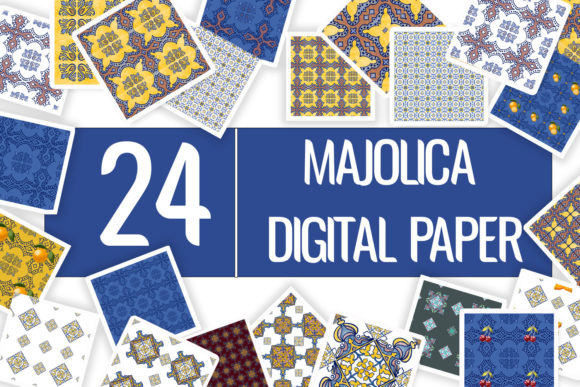
- Color palette: Traditional azulejos rely heavily on cobalt blue on a white background, though later periods introduced yellows, greens, and ochres. This restrained palette creates a serene, cohesive look, but also limits the range of expression compared to multicolored tiles.
- Geometric and floral repetition: Many azulejos patterns are based on repeating motifs—borders, stars, and interlocking forms—that allow for visual rhythm and symmetry. These patterns often cover entire walls as continuous tapestries.
- Narrative panels: A uniquely Portuguese development is the figurado style, where tiles tell stories: religious scenes, historical events, or everyday life. These panels function more like painted murals than decorative repeats.
- Hand-painted variation: Each tile is individually painted, even when following a standard design. This yields slight imperfections that add depth and authenticity, but also means color consistency can vary between batches.
What makes azulejos truly distinct is their dual identity: they are both a building material and a storytelling medium. This flexibility is rare among decorative tile options.
How Azulejos Patterns Compare with Other Decorative Tile Traditions
To decide whether Portuguese azulejos are the right fit, it helps to see how they compare to other ceramic and tile categories. Each tradition carries its own visual logic, practical strengths, and limitations.
Versus hand-painted Spanish tiles
Spanish tiles (like Talavera de la Reina) share the same tin-glaze heritage, but Spanish designs often use more saturated colors and more elaborate floral ornamentation. Portuguese azulejos tend to be subtler, with a stronger emphasis on blue-toned balance and geometric order. If you want a warmer, more lush palette, Spanish styles may appeal more. If a cooler, more restrained elegance is your goal, azulejos patterns may be the better match.
Versus Moroccan zellige
Zellige tiles are cut into small, irregular shapes and assembled into intricate mosaics. The look is richly textured and reflective, with a different kind of geometric complexity. Azulejos, by contrast, are pre-formed squares or rectangles, painted with designs that simulate mosaic patterning. Zellige offers a more tactile, hand-hewn aesthetic with natural variations in thickness and glaze pooling. Azulejos offer more uniformity and easier installation for large surfaces, though they lack the same depth of shimmer and irregularity that zellige enthusiasts prize.
Versus encaustic cement tiles
Cement tiles, with their pressed patterns and matte finish, are popular for floors and outdoor spaces. Their patterns are embedded in the material itself, not painted on the surface, making them extremely durable under foot traffic. Portuguese azulejos are painted on a glazed surface, which makes them more suited to walls and vertical applications. For flooring, cement tiles are more practical; for a delicate, luminous wall surface, azulejos have the edge.
Versus modern digital ceramic tiles
Digital printing allows near-photographic reproduction of any pattern at lower cost. Manufacturers now produce tiles that mimic azulejos designs with perfect repetition and consistent color. The tradeoff is the loss of hand-painted variation and the subtle brushwork that gives authentic azulejos their character. For a budget-conscious project or large commercial space, printed tiles can be an efficient substitute. For a design where authenticity and artisanal value matter, genuine azulejos remain unmatched.
Strengths and Tradeoffs of Using Azulejos Patterns
Every design choice carries benefits and drawbacks. Here’s an honest look at what azulejos patterns deliver and what you may be giving up.
Strengths
- Timeless visual impact: The blue-and-white palette has been used for centuries and continues to feel fresh in both traditional and contemporary interiors. It pairs well with neutral materials like wood, marble, and concrete.
- Historical resonance: Azulejos patterns instantly convey a sense of cultural heritage. This can add depth and narrative to a space in a way that generic tiles cannot.
- Variety of scales: From tiny border tiles (5×5 cm) to large panels (40×40 cm), the formats allow for detailed patterning or bold statements.
- Customization potential: Many contemporary studios offer custom hand-painted panels, allowing you to commission a unique design that reflects your personal story or brand.
Tradeoffs
- Cost: Hand-painted azulejos can be expensive, especially for large areas. Custom panels multiply the price further. Machine-made replicas are cheaper but sacrifice authenticity.
- Installation complexity: Achieving proper alignment and pattern continuation requires skilled tilers. Mistakes in spacing or orientation can disrupt the visual flow.
- Durability concerns: The glazed surface can chip or scratch under impact. Azulejos are best on walls, not high-traffic floors or counters where heavy use may damage them.
- Color availability: The traditional blue-and-white palette may feel limiting if you want a bright, multicolored environment. Some modern collections expand the palette, but the classic look dominates.
- Lead time: Hand-painted tiles are often made to order. Delivery can take weeks or months, which can disrupt project schedules.
When Portuguese Azulejos Patterns Are the Right Choice (and When They Might Not Be)
Understanding the best-fit situations helps you avoid disappointment.
Ideal scenarios for azulejos patterns
- Feature walls and backsplashes: Azulejos excel where you want a focal point—above a stove, behind a vanity, or on an accent wall in a bathroom or corridor. The pattern draws the eye and anchors the room.
- Historical or culturally themed spaces: If you are renovating a period home, designing a restaurant with a Portuguese-inspired menu, or creating a library that evokes old-world academia, azulejos are a natural fit.
- Outdoor covered areas: Porches, verandas, and loggias with protection from direct rain and frost can benefit from the pattern’s longevity. (Glazed tiles can be freeze-thaw sensitive, so check with suppliers.)
- Small-scale decorative borders: Using a strip of azulejos as a wainscot or picture frame can add detail without overwhelming the space or the budget.
When another option may serve you better
- Large floor areas: For living rooms, kitchens, or bathrooms with heavy foot traffic, cement or porcelain tiles offer better wear resistance. Azulejos can crack or chip under constant contact.
- High-moisture wet areas: Constant water exposure can degrade grout and glazed edges over time. While azulejos can be sealed and used in showers, they require careful maintenance. Porcelain or ceramic tiles with lower absorption are simpler to care for.
- Extremely tight budgets: Hand-painted azulejos can cost two to five times more than standard ceramic tiles. Digital prints are a more affordable alternative, though they do not replicate the handcrafted feel.
- Projects demanding fast turnaround: If you need tiles within a week, authentic azulejos will likely be unavailable. Look for stock options from Portuguese imports or consider other pre-manufactured decorative tiles.
Key Decision Factors for Your Project
When evaluating whether Portuguese azulejos patterns are the right choice, consider these practical factors beyond aesthetics:
- Location and exposure: Will the tiles be on a wall, floor, or outdoor surface? Know the environmental conditions and check with the supplier about glaze durability and frost resistance.
- Budget per square foot: Get quotes from multiple suppliers—both Portuguese makers and local importers. Factor in shipping and customs if sourcing from Portugal.
- Installation expertise: Find a tiler who has worked with azulejos before. Pattern matching, especially with asymmetrical designs, requires precision. A poor installation can ruin even the most beautiful tile.
- Long-term maintenance: Azulejos should be sealed with a penetrating sealer, and grout lines should be cleaned regularly. Understand the maintenance commitment before committing to large areas.
- Authenticity vs. reproduction: Decide how important hand-painted variation is to you. If you value the story behind the tile, authentic azulejos are worth the investment. If you simply want the look, good-quality digital reproductions can satisfy at a lower cost.
Take the time to visit a showroom or order samples. See how the pattern interacts with your lighting, your existing materials, and the scale of your room. A small sample can look drastically different when repeated across a full wall.
Portuguese azulejos patterns offer a unique combination of artistry, history, and visual discipline. They are not the easiest or cheapest tile option available, but for those who value handcrafted beauty and cultural depth, they remain a compelling choice. By weighing their distinct qualities against other tile traditions—and honestly assessing your own priorities—you can make a decision that feels right for your space and your values.